
The Langtang Wake-Up Call: Forging Resilient Digital Infrastructure in Nepal
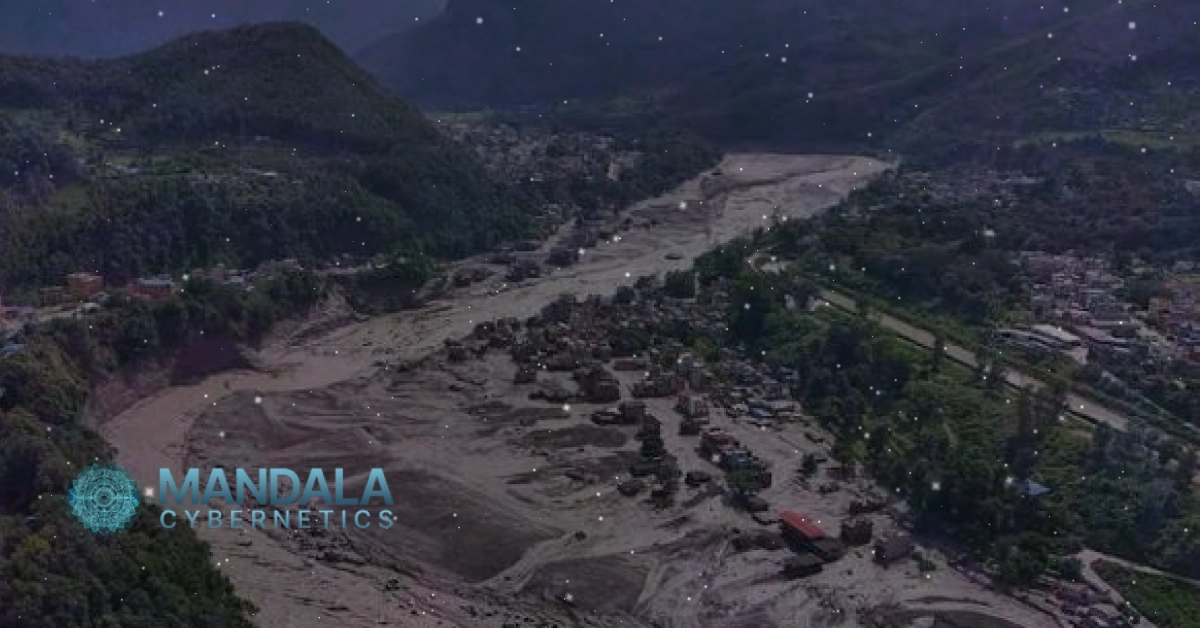
On August 26, 2026, the fragile equilibrium of Nepal’s mountain ecosystems fractured. A catastrophic hanging glacier collapse in Langtang National Park triggered a massive mudslide and debris torrent of unprecedented scale. Sweeping down the valley with terrifying speed, the disaster claimed more than 1,300 lives and inflicted an estimated $4 billion to $7 billion in systemic economic damages. Beyond the devastating human and physical toll, the disaster exposed a quiet but equally critical vulnerability: the total collapse of our regional digital warning and communication networks. As legacy communications choked under pressure, the need for a truly resilient digital infrastructure in Nepal was elevated from an IT best practice to a matter of absolute national survival.
Global Climate Injustice and the Fracturing of the Third Pole
The tragedy in Langtang was not a localized anomaly; it was the direct manifestation of global climate injustice. Nepal contributes less than 0.1% of global greenhouse gas emissions, yet our communities bear the catastrophic weight of industrialization from developed nations. The ‘Third Pole’—home to the world’s largest concentration of glacier ice outside the polar regions—is warming at nearly double the global average. This rapid heating destabilizes ancient permafrost and fractures glacial structures, creating ticking time bombs high above our populated valleys and economic hubs.
For enterprises, NGOs, and high-growth businesses operating within Nepal, this climate reality demands a radical shift in digital risk assessment. Organizations can no longer assume that climate risks are localized to rural peaks. The economic shockwaves of physical disasters quickly travel down to Kathmandu, severing fiber-optic links, disrupting power grids, and taking down localized servers. To survive, organizations must build digital architectures that assume physical failure is inevitable, designing systems that decouple regional operations from single points of physical vulnerability.
The Seven-Minute Window: Why Legacy Technology Failed
When the glacier collapsed, the resulting debris torrent traveled 22 kilometers in just seven minutes. In this high-velocity scenario, traditional early warning systems and legacy IT setups failed completely. The systemic breakdown of Nepal’s warning pipeline provides critical lessons for IT leaders and enterprise architects across the country.
The SMS Bottleneck and Network Congestion
Traditional emergency warning systems in Nepal rely heavily on SMS warnings. However, SMS operates on a unicast transmission protocol, meaning messages are queued and sent sequentially to individual phone numbers. When the disaster struck, local telecom towers were immediately overwhelmed by traffic as panic set in. The SMS warning queue jammed; alerts that should have arrived instantly were delivered hours after the mudslide had already cleared the valley. For businesses relying on standard carrier networks for disaster recovery coordination, this bottleneck proved fatal.
The Fallacy of Static Threshold Sensors
Legacy monitoring relied on physical threshold sensors placed at static points along the riverbeds. These sensors were programmed to trigger alerts when water levels reached critical heights. However, the sheer velocity and volume of the 2026 Langtang mudslide bypassed or instantly destroyed these sensors before they could complete their data transmissions. Without real-time, dynamic sensor arrays capable of automated edge computation, the warning system remained blind until it was too late.
Next-Generation Cybernetics: Building Disaster-Proof Systems
At Mandala Cybernetics, we believe that adapting to climate instability requires next-generation technological solutions. Mitigating the risks of physical disasters on our digital economy requires transitioning from reactive IT setups to highly resilient, active-active multi-region systems. To establish a truly resilient digital infrastructure in Nepal, three architectural shifts are non-negotiable.
Cell Broadcast Technology (CBT) vs. Legacy SMS
Unlike standard SMS, Cell Broadcast Technology operates on a one-to-many basis, bypassing the mobile network congestion that paralyzes standard communications during emergencies. CBT allows alerts to be pushed instantly to every active mobile device within a specific geographic area, regardless of network load. This is the foundation of modern, crisis-resilient communications, ensuring that vital warnings and organizational updates arrive in seconds, not hours.
Machine Learning and Predictive Terrain Modeling
Static threshold sensors must be replaced by intelligent, predictive models. By feeding real-time satellite imagery, seismic activity, and micro-climate data into cloud-native machine learning models, we can predict glacial instabilities before they fracture. This proactive approach turns minutes of warning into days of preparation, allowing enterprises to gracefully migrate digital workloads and critical databases to safe zones before a physical event occurs.
Redundant Satellite Backups and Edge Computing
Relying on terrestrial fiber-optic cables alone is a critical failure point in mountainous terrain. Mandala Cybernetics integrates low-latency satellite backups (such as Starlink and OneWeb) with localized edge-computing nodes. This ensures that even if physical connections to Kathmandu are severed, localized enterprise operations can continue to process data, serve customers, and coordinate disaster recovery efforts locally without internet dependency.
Securing Your Enterprise: The Mandala Cybernetics Philosophy
Digital resilience is not an optional insurance policy; it is the cornerstone of sustainable modern enterprise. Mandala Cybernetics specializes in designing, building, and maintaining high-performance web systems and resilient IT architectures that withstand extreme regional vulnerabilities. We help NGOs, enterprises, and local businesses in Kathmandu and across Nepal future-proof their operations against both cyber and physical threats.
If your organization’s operations rely on localized servers, fragile hosting environments, or single-point-of-failure communication protocols, your business is at risk. It is time to audit your digital infrastructure and build systems that cannot be swept away.
To help local businesses and organizations transition to secure systems, Mandala Cybernetics is offering a comprehensive, zero-cost digital infrastructure audit. Our expert systems architects will analyze your network redundancy, cloud architecture, and disaster recovery pipelines to pinpoint critical vulnerabilities.